Duty Cycle
Model peak occupancy and daily run hours before choosing motor, deck and resistance architecture.
Build cardio and strength capacity around member flow, service clearances and operating hours—not a showroom checklist.
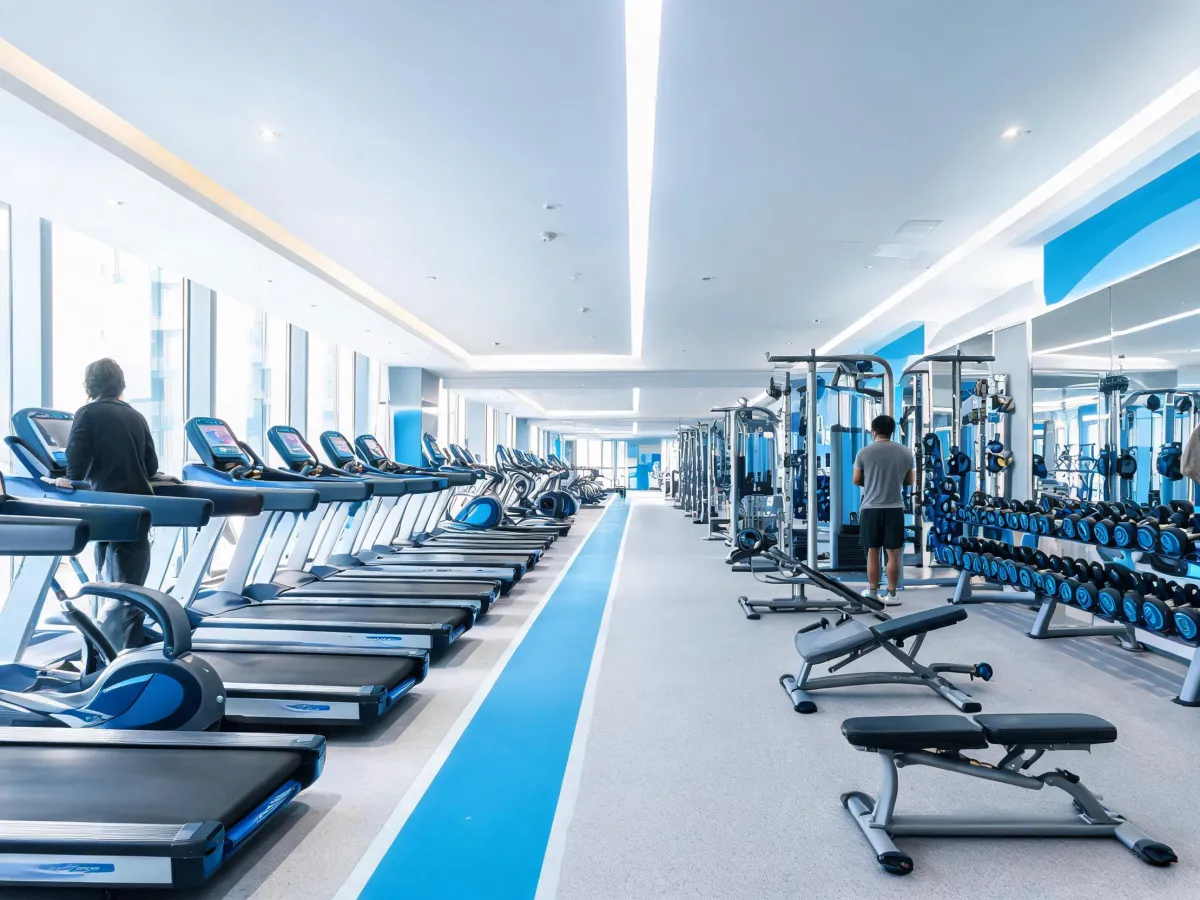
Model peak occupancy and daily run hours before choosing motor, deck and resistance architecture.
Confirm stride, reach, transfer access and a maximum user-weight target for each station.
Map dedicated circuits, outlet positions and non-powered alternatives before slab penetrations close.
Retain technician clearance around belts, drives, weight stacks and cable routing.
Balance steady-state cardio, interval capacity, selectorized resistance and plate-loaded demand.
Compare preventive maintenance, wear parts and planned replacement over a five-year horizon.
Final values depend on the selected model and market configuration; confirm the current product data sheet before procurement.
| Motor reference | 4.0 CHP class for high-use treadmill planning |
|---|---|
| Running surface reference | 22 × 62 in |
| User-weight reference | Up to 500 lb / 227 kg, model dependent |
| Belt construction | 2-ply or 4-ply running belt selected by duty profile |
| Resistance architecture | Selectorized resistance or plate-loaded |
|---|---|
| Weight-stack reference | Up to 300 lb / 136 kg, station dependent |
| Frame reference | Commercial-grade frame; verify gauge and weld details by series |
| Inspection path | Cables, pulleys, fasteners, upholstery and movement stops |
Peak-hour throughput and low queue time.
Self-guided use and compact sightlines.
Durable, coachable multi-user stations.
Balanced programs within a fixed footprint.
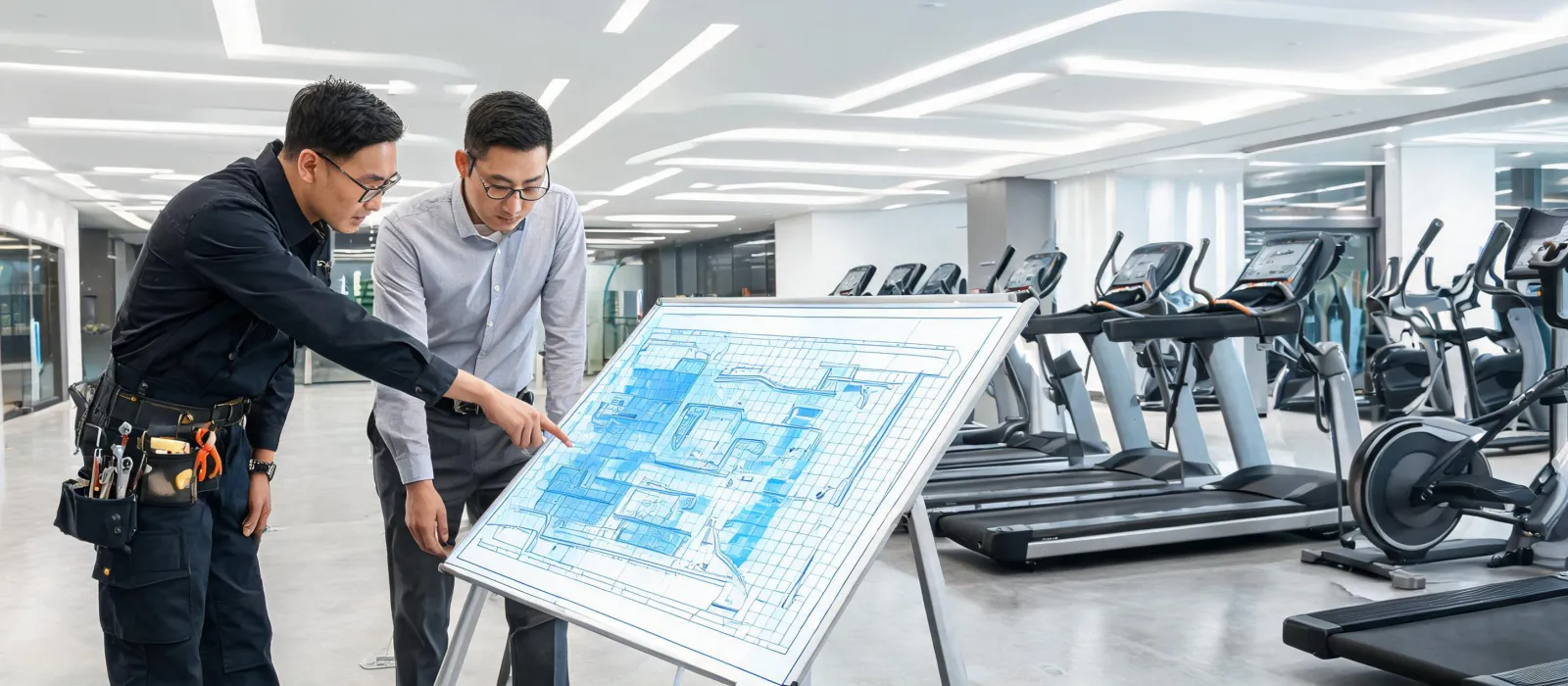
Send the footprint, expected peak users and target opening date. We will organize the questions for cardio, strength, power and service access.